
The Short Answer
What Is Form 1065?
Form 1065 is an information return generally used by partnerships to report business income, deductions, gains, losses and credits. Tax items generally pass through to partners and are reported on Schedule K-1. Many domestic LLCs with more than one owner are taxed as partnerships unless another classification applies.
The Questions Behind The Filing
What Deserves Your Attention.
The Agreement Matters
Ownership percentages are not the whole agreement. Contributions, allocation provisions, guaranteed payments, debt and changes in partners can all matter. Keep the signed agreement and amendments beside the accounting records.
Cash Is Not The K-1
A distribution and a partner’s share of taxable income are different things. A partner may have taxable income without receiving matching cash. That makes year-round estimates and communication important to the business and each household.
Capital Is Not Automatically Basis
A capital account is not automatically a partner’s outside tax basis. Contributions, liabilities, distributions and prior losses can affect the analysis. A Schedule K-1 is an essential record, not a substitute for the complete ownership history.
Bring The Records. Keep The Story.
Start with what you have and identify the gaps. These records help frame the conversation; your situation may require additional information.
- Partnership or operating agreement and all amendments
- Prior Forms 1065, Schedules K-1 and capital-account schedules
- Reconciled financial statements and general ledger
- Partner contributions, distributions and guaranteed payments
- Debt agreements and partner or ownership changes
- Asset schedules, property transactions and foreign activity details
Do not post tax identifiers, returns or account statements publicly. The firm’s secure intake and document collection follow the initial conversation.
Know Which Clock Is Running.
A domestic partnership generally files Form 1065 by the 15th day of the third month after its tax year ends. That is generally March 15 for a calendar-year partnership, adjusted for weekends and legal holidays. An extension can give more filing time, but partners may still need information for their own estimates and returns.
Check The Official Instructions →A general deadline is not a case-specific determination. The tax year, facts, weekends, legal holidays, special rules and announced relief can matter.
Form 1065: Questions Worth Asking.
Who Files Form 1065?
Domestic partnerships generally file Form 1065, subject to exceptions. A domestic multi-member LLC is generally treated as a partnership unless it elects another classification. A single-owner LLC is not automatically a partnership.
Does The Partnership Pay Federal Income Tax?
Partnership income generally passes through to partners rather than being taxed to the partnership as ordinary entity-level federal income tax. Special rules, withholding, certain partnership audit adjustments and state taxes can create additional obligations.
Do I Owe Tax If I Did Not Receive A Distribution?
You may. Partners generally report their allocated tax items, which need not equal cash received. Review the Schedule K-1, the agreement and the partner’s own limitations and tax situation.
Is The Capital Account On My K-1 My Tax Basis?
Not necessarily. A partner’s outside basis and the partnership’s capital-account reporting serve different purposes. Debt, contributions and other adjustments can create differences that matter when claiming losses or receiving distributions.
Can We Just Divide Everything By Our Ownership Percentages?
Not automatically. Allocations must be evaluated under the partnership agreement and federal tax rules. Special allocations, guaranteed payments, contributed property and changes in ownership deserve specific review.
What If A Partner Has Not Sent Their Information?
Identify exactly what is missing and when it is needed. An extension may be appropriate, but incomplete ownership, contribution or allocation records should not be replaced with guesses. Partners should coordinate their own filing and payment obligations.
What Happens After I Start The Consultation?
Tell us about the business, the owners, the tax years and the concern. The firm can then define the information and engagement needed. The free initial consultation is not partnership return preparation or a free written opinion.
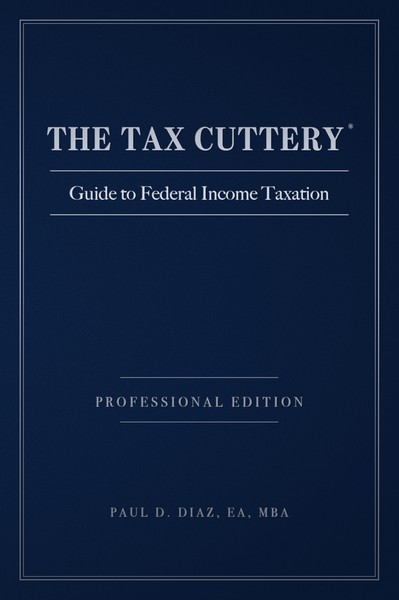
The Book Behind The Practice
Save Smarter.
Prepare Accurately.
Defend Better.
THE TAX CUTTERY® Guide to Federal Income Taxation, Professional Edition. Understand the questions behind your records, connect decisions to tax consequences and keep the foundation within reach.
The Guide builds broad federal income tax understanding. Use the official instructions and a defined professional engagement for the specialized return in front of you.
Read independently or bring your questions to the firm. No book purchase is required to begin the initial consultation.
Your Next Step
Start With The Question On Your Mind.
Tell us the tax years, the people or organization involved, and what needs attention. The free prerecorded consultation gathers the context behind the records. Genesis continues the secure intake when applicable.
Start Your Free Tax Consultation →This is an initial intake, not a live appointment, filing submission or free written opinion. Any return preparation, research, representation or written deliverable requires a defined engagement. A paid hour is booked separately when needed.
Follow The Connected Questions.
Go To The Source.
Resource updated October 15, 2026. Official instructions and later agency changes control. This resource is general education, not an instruction to file a particular form or claim a particular tax result.