
The Short Answer
What Is Form 1041?
Form 1041 is an income tax return for certain estates and trusts. It reports income, deductions, gains, losses and the allocation of relevant tax items between the fiduciary entity and its beneficiaries. It is different from Form 706, which concerns federal estate and certain generation-skipping transfer taxes.
The Questions Behind The Filing
What Deserves Your Attention.
First, Identify The Taxpayer
The person who died, the estate, a trust and a beneficiary can have different reporting obligations. Dates, ownership and the governing document help determine which taxpayer reports an item. Do not combine every statement simply because it arrived in the same envelope.
A Distribution Has A Tax Character
Distributing cash does not by itself tell you what income follows it. The governing instrument, accounting records and distributable net income rules can matter. Beneficiaries need the correct information for their own returns.
Keep The Valuation Trail
A sale after death may involve date-of-death values, basis records, expenses and later changes in value. Keep appraisals and closing statements. A brokerage statement alone may not explain an inherited asset’s complete tax history.
Bring The Records. Keep The Story.
Start with what you have and identify the gaps. These records help frame the conversation; your situation may require additional information.
- Will, trust instrument, amendments and fiduciary appointment
- Date-of-death information and prior individual or fiduciary returns
- Entity EIN and relevant account ownership records
- Income statements, sale confirmations and basis or valuation support
- Expenses, fiduciary fees and beneficiary distribution history
- Beneficiary information and any estate-tax or portability filings
Do not post tax identifiers, returns or account statements publicly. The firm’s secure intake and document collection follow the initial conversation.
Know Which Clock Is Running.
Form 1041 is generally due by the 15th day of the fourth month after the estate or trust’s tax year ends. The permitted tax year, any extension and beneficiary reporting need to be coordinated. An estate’s fiscal-year possibilities should not be assumed to apply to every trust.
Check The Official Instructions →A general deadline is not a case-specific determination. The tax year, facts, weekends, legal holidays, special rules and announced relief can matter.
Form 1041: Questions Worth Asking.
Is Form 1041 The Same As An Estate Tax Return?
No. Form 1041 reports estate or trust income. Form 706 addresses federal estate tax and certain generation-skipping transfer tax matters. An estate can have an income tax filing obligation even when it does not owe federal estate tax.
Does Every Trust File A Separate Form 1041?
No. Filing depends on the trust’s type, income, beneficiaries and applicable rules. Many grantor trusts use reporting methods tied to the owner rather than the same reporting approach as a non-grantor trust. Review the actual instrument and facts.
Who Is Responsible For The Return?
The fiduciary, such as the executor or trustee, is responsible for the entity’s reporting. The governing document and appointment establish the role; a beneficiary is not automatically the person authorized to act for the estate or trust.
Will Beneficiaries Receive A Schedule K-1?
They may. Schedule K-1 reports a beneficiary’s share of applicable income, deductions and credits. What is reported depends on the entity’s activity and distribution rules; not every transfer is taxable income in the amount of the cash received.
Should I Combine The Final Individual Return With The Estate Return?
No. A decedent’s final Form 1040 and an estate’s Form 1041 are separate returns. Dates of income receipt, ownership and special rules determine where an item belongs. Keep the supporting records separated by taxpayer.
Can I File Without The Trust Or Will?
The governing instrument can affect important reporting decisions. Start by identifying the missing document and obtaining it from the authorized custodian or attorney. A general description of the family’s wishes is not a substitute for the operative document.
Can The Firm Replace My Estate Attorney?
This page concerns federal tax reporting. Legal administration, probate and interpretation of legal rights may require counsel. Any tax engagement should identify responsibilities and coordination with the fiduciary’s attorney.
The Book Behind The Practice
Save Smarter.
Prepare Accurately.
Defend Better.
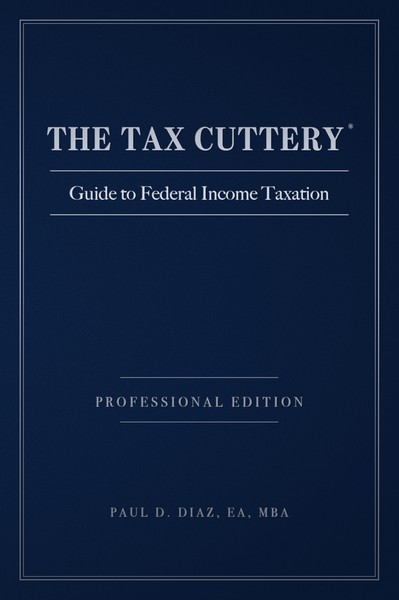
THE TAX CUTTERY® Guide to Federal Income Taxation, Professional Edition. Understand the questions behind your records, connect decisions to tax consequences and keep the foundation within reach.
The Guide builds broad federal income tax understanding. Use the official instructions and a defined professional engagement for the specialized return in front of you.
Read independently or bring your questions to the firm. No book purchase is required to begin the initial consultation.
Your Next Step
Start With The Question On Your Mind.
Tell us the tax years, the people or organization involved, and what needs attention. The free prerecorded consultation gathers the context behind the records. Genesis continues the secure intake when applicable.
Start Your Free Tax Consultation →This is an initial intake, not a live appointment, filing submission or free written opinion. Any return preparation, research, representation or written deliverable requires a defined engagement. A paid hour is booked separately when needed.
Follow The Connected Questions.
Go To The Source.
Resource updated October 15, 2026. Official instructions and later agency changes control. This resource is general education, not an instruction to file a particular form or claim a particular tax result.