
The Short Answer
What Is Form 706?
Form 706 is used by the executor to address federal estate tax and certain generation-skipping transfer taxes. A return can also be important for an eligible portability election, even when estate tax is not otherwise due. Form 706 is different from the estate’s income tax return, Form 1041.
The Questions Behind The Filing
What Deserves Your Attention.
The Estate Is More Than Probate
The federal gross-estate analysis can include property outside the probate inventory. Ownership interests, certain transfers, insurance and jointly held property need to be considered under the applicable rules. A probate list is a starting point, not an automatic tax conclusion.
Portability Is A Decision
An eligible surviving spouse may benefit from an election concerning the deceased spouse’s unused exclusion. A required estate tax return and a return filed only for portability can have different relief rules. Identify the question early rather than assuming no tax means no reason to file.
Values Need Support
Appraisals, ownership documents and date-of-death statements can affect reporting. Closely held businesses, real property and unusual assets deserve appropriate support. Coordinate the tax work with the executor, attorney and valuation professionals.
Bring The Records. Keep The Story.
Start with what you have and identify the gaps. These records help frame the conversation; your situation may require additional information.
- Death certificate, will, trust instruments and executor appointment
- Date-of-death asset inventory and ownership documentation
- Real-estate and business valuations or appraisal arrangements
- Insurance information, debts and administration expenses
- Prior gift tax returns and relevant transfer history
- Surviving-spouse information and any prior portability records
Do not post tax identifiers, returns or account statements publicly. The firm’s secure intake and document collection follow the initial conversation.
Know Which Clock Is Running.
The general Form 706 filing deadline is nine months after the date of death. Form 4768 can request an extension, but filing time and payment time are distinct. Certain estates filing solely for portability may qualify for special relief. Do not treat a relief provision as the ordinary deadline for every estate.
Check The Official Instructions →A general deadline is not a case-specific determination. The tax year, facts, weekends, legal holidays, special rules and announced relief can matter.
Form 706: Questions Worth Asking.
Does Every Estate File Form 706?
No. The filing requirement depends on the applicable law for the date of death and the estate’s facts, including relevant prior taxable gifts. An eligible estate may also file to elect portability even when a return is not otherwise required.
Is The Estate Tax Threshold The Same Every Year?
No. Apply the law and exclusion amount for the decedent’s date of death. Older returns and online summaries from another year can lead to the wrong conclusion. The asset and gift history still need review.
What Is Portability?
Portability can allow an eligible surviving spouse to use a deceased spouse’s unused estate and gift tax exclusion. Making the election generally requires an appropriately filed Form 706. Eligibility, timing and available relief depend on the facts.
Is The Nine-Month Deadline Also A Payment Deadline?
Estate tax is generally due nine months after death. A filing extension does not by itself establish an extension to pay. Separate payment-extension provisions or elections may apply and need specific evaluation.
Is Form 706 The Same As Form 1041?
No. Form 706 concerns estate and certain transfer taxes. Form 1041 concerns income earned by an estate or trust. An estate may need one, both or neither, depending on its circumstances.
Can We Use Property-Tax Values For Everything?
Do not assume a property-tax assessment establishes the required federal tax value. The relevant valuation date, ownership interest and valuation standards need review. Some assets call for professional appraisals.
Where Do We Begin If We Are Still Gathering Documents?
Start the initial tax consultation with the date of death, your role and the immediate concern. Identify missing records and deadlines. Tax preparation, valuation services and legal administration should have clearly assigned responsibilities and engagement terms.
The Book Behind The Practice
Save Smarter.
Prepare Accurately.
Defend Better.
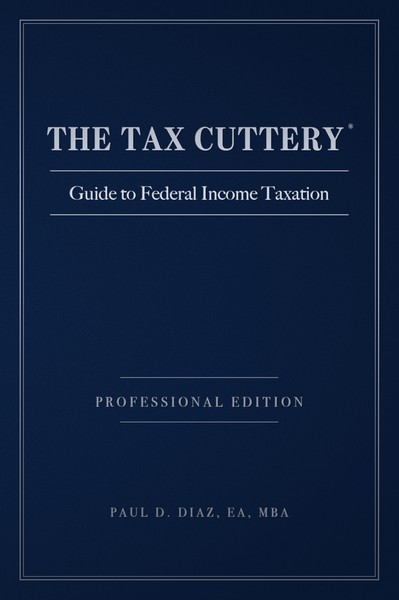
THE TAX CUTTERY® Guide to Federal Income Taxation, Professional Edition. Understand the questions behind your records, connect decisions to tax consequences and keep the foundation within reach.
The Guide builds broad federal income tax understanding. Use the official instructions and a defined professional engagement for the specialized return in front of you.
Read independently or bring your questions to the firm. No book purchase is required to begin the initial consultation.
Your Next Step
Start With The Question On Your Mind.
Tell us the tax years, the people or organization involved, and what needs attention. The free prerecorded consultation gathers the context behind the records. Genesis continues the secure intake when applicable.
Start Your Free Tax Consultation →This is an initial intake, not a live appointment, filing submission or free written opinion. Any return preparation, research, representation or written deliverable requires a defined engagement. A paid hour is booked separately when needed.
Follow The Connected Questions.
Go To The Source.
Resource updated October 15, 2026. Official instructions and later agency changes control. This resource is general education, not an instruction to file a particular form or claim a particular tax result.