
The Short Answer
What Is Form 990?
Form 990 is an annual information return used by many tax-exempt organizations to report finances, activities and governance. Form 990-EZ, Form 990-N and Form 990-PF apply in different circumstances. The correct filing depends on the organization’s classification, finances and applicable exceptions.
The Questions Behind The Filing
What Deserves Your Attention.
Choose The Right Return
A small public charity, a private foundation and an organization with unrelated business income may face different forms. Confirm the organization’s status and filing history before choosing the shortest-looking option.
The Public Can Read It
Much of a Form 990 is available for public inspection. Donors, grantmakers and others may read it. Program descriptions, expense allocation, compensation and governance answers should agree with the organization’s actual records.
Protect The Filing History
Missed annual returns can put exempt status at risk. A change in officers or an inactive year should trigger a review of who is responsible, what was filed and what is still due. Keep copies and acceptance evidence together.
Bring The Records. Keep The Story.
Start with what you have and identify the gaps. These records help frame the conversation; your situation may require additional information.
- IRS determination letter, organizing documents and bylaws
- Prior 990-series filings, extensions and acceptance records
- Financial statements, restricted funds and grant records
- Program-service descriptions and expense allocation support
- Officer compensation, board minutes and related-party transactions
- Fundraising, contribution and any unrelated-business activity records
Do not post tax identifiers, returns or account statements publicly. The firm’s secure intake and document collection follow the initial conversation.
Know Which Clock Is Running.
Form 990 is generally due on the 15th day of the fifth month after the organization’s accounting period ends. Form 8868 can generally request an extension for Form 990; Form 990-N has different rules. Check the organization’s actual return type, year and any applicable relief.
Check The Official Instructions →A general deadline is not a case-specific determination. The tax year, facts, weekends, legal holidays, special rules and announced relief can matter.
Form 990: Questions Worth Asking.
Does Tax-Exempt Mean No Annual Filing?
No. Many exempt organizations must file an annual return or notice, even when they owe no regular income tax. Exceptions exist, so confirm the organization’s specific classification and filing obligation.
How Do We Choose Between Form 990, 990-EZ And 990-N?
The choice depends on the organization’s type, gross receipts, assets and the rules for that year. Certain organizations cannot use the shorter filings. A private foundation generally has a different return, Form 990-PF.
What Happens If We Miss Three Years?
An organization required to file an annual return or notice generally loses its tax-exempt status automatically after failing to file for three consecutive years. Review actual filing evidence and any reinstatement requirements rather than assuming a later filing fixes everything.
Is Form 990 Public?
Generally, the annual return is subject to public inspection, with exceptions for certain information. Prepare it with that visibility in mind. Do not assume every donor detail is public or that every schedule is treated identically.
Does Form 990 Cover Unrelated Business Income Tax?
Not by itself. An exempt organization may separately need Form 990-T for unrelated business income tax. An activity’s connection to the exempt purpose and other rules require review; calling income fundraising does not settle its treatment.
Can A Volunteer Treasurer Start The Consultation?
Yes. Explain the organization, your role, the tax year and the issue. The firm will need appropriate authorization and records before undertaking work. The free initial consultation does not file the return or create an engagement.
Does This Replace A Nonprofit Audit?
No. A tax return engagement is different from an audit or other financial-statement service. State registration, grant and audit requirements may also apply and should be identified separately.
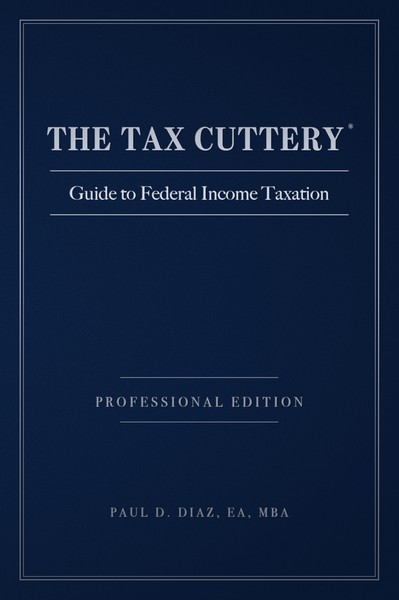
The Book Behind The Practice
Save Smarter.
Prepare Accurately.
Defend Better.
THE TAX CUTTERY® Guide to Federal Income Taxation, Professional Edition. Understand the questions behind your records, connect decisions to tax consequences and keep the foundation within reach.
The Guide builds broad federal income tax understanding. Use the official instructions and a defined professional engagement for the specialized return in front of you.
Read independently or bring your questions to the firm. No book purchase is required to begin the initial consultation.
Your Next Step
Start With The Question On Your Mind.
Tell us the tax years, the people or organization involved, and what needs attention. The free prerecorded consultation gathers the context behind the records. Genesis continues the secure intake when applicable.
Start Your Free Tax Consultation →This is an initial intake, not a live appointment, filing submission or free written opinion. Any return preparation, research, representation or written deliverable requires a defined engagement. A paid hour is booked separately when needed.
Follow The Connected Questions.
Go To The Source.
Resource updated October 15, 2026. Official instructions and later agency changes control. This resource is general education, not an instruction to file a particular form or claim a particular tax result.