
The Short Answer
What Is Form 720?
Form 720 reports the federal excise taxes listed on that return, using the applicable IRS tax numbers and schedules. It is not the same as a state sales-tax return, a business income tax return or Form 2290 for heavy highway vehicle use tax. Different excise activities have different reporting and deposit rules.
The Questions Behind The Filing
What Deserves Your Attention.
Name The Tax Before The Amount
Fuel, communications, transportation and other activities can be subject to different excise provisions. The applicable category, taxable unit, exemption and party responsible for the tax should be established before applying a rate.
Filing And Depositing Are Different
A quarterly return does not mean every payment waits until quarter-end. Deposit requirements depend on the tax and the applicable rules. Reconcile transaction detail and deposits rather than treating the return as the first time to look at the liability.
A Credit Needs Its Own Trail
A claimed credit or adjustment should connect to a supported transaction and the correct procedure. Some matters belong on Form 720-X or Form 8849 rather than a new quarter’s liability line. Avoid claiming the same amount through more than one route.
Bring The Records. Keep The Story.
Start with what you have and identify the gaps. These records help frame the conversation; your situation may require additional information.
- Prior Forms 720, extensions if applicable and IRS correspondence
- Taxable transaction details by IRS tax number
- Sales, purchase, fuel or service records supporting quantities and amounts
- Exemption certificates and registration records where applicable
- Deposit confirmations and quarter-by-quarter reconciliations
- Prior credits, refund claims and amended-return history
Do not post tax identifiers, returns or account statements publicly. The firm’s secure intake and document collection follow the initial conversation.
Know Which Clock Is Running.
Form 720 is generally filed quarterly: April 30, July 31, October 31 and January 31 for the preceding calendar quarter, subject to weekend and legal-holiday adjustments. Particular taxes and fees have special rules. Some deposits are due before the return; the filing date is not a universal payment schedule.
Check The Official Instructions →A general deadline is not a case-specific determination. The tax year, facts, weekends, legal holidays, special rules and announced relief can matter.
Form 720: Questions Worth Asking.
Is Form 720 A Sales-Tax Return?
No. It is a federal excise-tax return for the taxes listed on the form. State sales and use taxes have their own returns and rules. One filing does not automatically satisfy the other.
Does Every Business File Form 720?
No. Filing depends on liability for, or responsibility for collecting, the excise taxes covered by the form and the applicable continuation rules. Identify the actual activity before assuming a requirement or an exemption.
Can I Wait Until The Quarterly Deadline To Pay?
Not necessarily. Certain excise taxes require deposits during the quarter. Other taxes or fees follow different payment rules. Review the applicable IRS tax number and deposit schedule.
Does A PCOR Fee Require Four Quarterly Returns?
A business filing Form 720 only to report the patient-centered outcomes research fee generally reports that fee on the second-quarter return. Other excise liabilities can create additional filing obligations. Confirm who is responsible for the fee and the applicable plan year.
How Do I Correct A Prior Quarter?
Form 720-X may be the appropriate amended return for certain corrections, while some claims follow a different procedure. Identify the tax, transaction and earlier filings before deciding where to report the adjustment.
Is This The Heavy Truck Highway Use Tax Form?
No. Heavy highway vehicle use tax is generally reported on Form 2290. Fuel-related excise claims can involve other forms, including Form 8849. The business may need more than one of these forms for different reasons.
What Should I Put In The Initial Consultation?
Describe the business activity, the tax or fee involved, the quarter and any notice or deadline. Keep sensitive tax identifiers and detailed records for the firm’s secure collection process. Any filing or research is separately engaged.
The Book Behind The Practice
Save Smarter.
Prepare Accurately.
Defend Better.
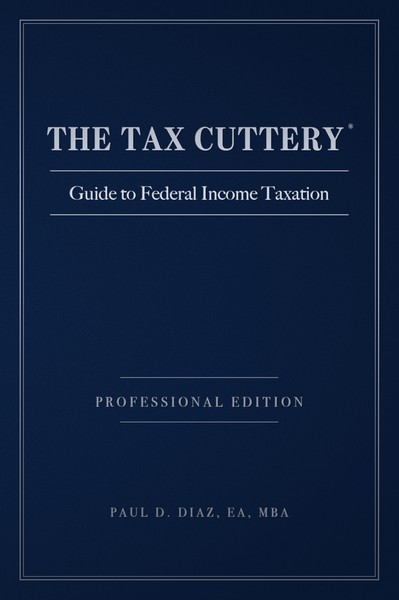
THE TAX CUTTERY® Guide to Federal Income Taxation, Professional Edition. Understand the questions behind your records, connect decisions to tax consequences and keep the foundation within reach.
The Guide builds broad federal income tax understanding. Use the official instructions and a defined professional engagement for the specialized return in front of you.
Read independently or bring your questions to the firm. No book purchase is required to begin the initial consultation.
Your Next Step
Start With The Question On Your Mind.
Tell us the tax years, the people or organization involved, and what needs attention. The free prerecorded consultation gathers the context behind the records. Genesis continues the secure intake when applicable.
Start Your Free Tax Consultation →This is an initial intake, not a live appointment, filing submission or free written opinion. Any return preparation, research, representation or written deliverable requires a defined engagement. A paid hour is booked separately when needed.
Follow The Connected Questions.
Go To The Source.
Resource updated October 15, 2026. Official instructions and later agency changes control. This resource is general education, not an instruction to file a particular form or claim a particular tax result.